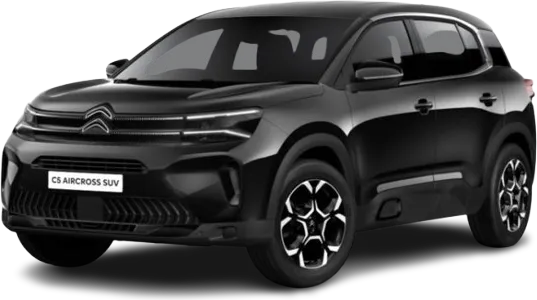
Engine Displacement: 1,997 cc (Diesel) / 1,598 cc (PHEV)
The C5 Aircross is versatile in its powertrain offerings. The high-torque diesel variant features a 2.0-liter (1,997 cc) BlueHDi engine. The more modern Plug-in Hybrid (PHEV) and Turbo-petrol versions utilize the 1.6-liter (1,598 cc) PureTech four-cylinder engine. For 2026, a new 1.2-liter mild-hybrid system is also available, optimizing urban fuel consumption via a 48V architecture.
Max Power: 177 bhp (Diesel) / 225 hp (PHEV Combined)
The 2.0L diesel engine produces 177 bhp (180 PS) at 3,750 rpm. In contrast, the Plug-in Hybrid variant combines a 180 hp petrol engine with an 80 kW electric motor to deliver a total system output of 225 hp, providing a more silent and rapid acceleration profile.
Max Torque: 400 Nm (Diesel) / 360 Nm (PHEV)
Torque is the hallmark of the C5 Aircross Diesel, peaking at 400 Nm from just 2,000 rpm, making it an ideal long-distance cruiser. The PHEV provides a combined 360 Nm, with the electric motor offering instantaneous pull from a standstill.
No. of Cylinders: 4
Unlike the smaller C3, the C5 Aircross primarily utilizes an Inline 4-cylinder configuration for its main engines. This ensures greater refinement, lower vibration, and the necessary thermal efficiency required for a vehicle of this mass.
Valve Train: DOHC
Both the 2.0L Diesel and 1.6L Petrol engines utilize a Double Overhead Camshaft (DOHC) setup with 16 valves. This allows for Variable Valve Timing (VVT) in the petrol units, optimizing efficiency across the entire rev range.
Fuel System: Common Rail Direct Injection (Diesel) / GDI (Petrol)
The diesel variant uses a high-pressure Common Rail system for precise combustion. The petrol and hybrid variants use Gasoline Direct Injection (GDI) combined with a twin-scroll turbocharger to minimize lag and maximize fuel atomization.
0-100 km/h Time: 8.2 Seconds (PHEV) / 9.6 Seconds (Diesel)
The PHEV is the performance leader, sprinting to 100 km/h in 8.2 seconds. The 2.0L diesel is slightly more measured, completing the task in 9.6 seconds, reflecting its tuning for mid-range efficiency rather than standing starts.
Top Speed: 219 km/h (Petrol/PHEV) / 201 km/h (Diesel)
The aerodynamic SUV body allows for a top speed of 219 km/h in the 1.6L variants. The diesel is capped slightly lower at 201 km/h. In pure EV mode, the PHEV can reach up to 135 km/h before the combustion engine engages.