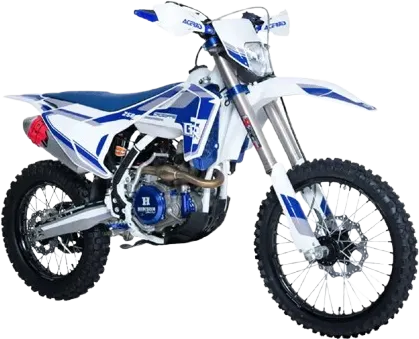
Engine Displacement: 249.6 cc
The GRZ 250 is powered by a 249.6 cc single-cylinder, 4-stroke, 4-valve engine. It features a liquid-cooling system that is essential for maintaining performance during low-speed, high-rev technical climbs. The engine architecture is designed to be compact to maintain a narrow profile between the rider's legs.
Max Power: 30.15 bhp @ 9,000 rpm
Despite its budget-friendly positioning, the GRZ 250 does not compromise on "barbaric" power, pushing out 30.15 bhp. This high output allows the bike to maintain its "Brute" reputation, offering one of the best power-to-weight ratios in the sub-6 lakh price bracket in Nepal.
Max Torque: 22.5 Nm @ 7,000 rpm
The engine generates 22.5 Nm of torque, peaked at 7,000 rpm. This provides the necessary low-end "snap" required for clearing obstacles on trails. The inclusion of a built-in balance shaft ensures that this power is delivered without the bone-jarring vibrations typical of many dirt bikes.
No. of Cylinders: 1
The single-cylinder configuration is optimized for lightness. To enhance reliability, Crossfire has utilized high-strength internal components that can withstand the high-RPM stress typical of aggressive off-road riding.
Valve Train: SOHC (Single Overhead Camshaft)
The SOHC 4-valve system is chosen for its mechanical simplicity and reliability. It reduces the number of moving parts in the cylinder head compared to DOHC systems, making it more resilient to the dust and vibration of the Nepalese backcountry.
Fuel System: Carburetor
The GRZ 250 utilizes a refined carburetor system. While FI is more efficient, the carburetor is favored by the local enduro community because it can be easily tuned or cleaned at high altitudes like Manang or Mustang without needing specialized computers.
Top Speed: 125 km/h
The bike reaches a top speed of 125 km/h. While capable of highway speeds, the aerodynamic profile and tire choice make it much more at home on gravel roads and technical single-tracks.
Mileage: 25 kmpl
The mileage is approximately 25 kmpl. Owners typically prioritize the bike’s ability to "climb anything" over fuel efficiency, making the 10-litre tank sufficient for a full day of trail riding.